
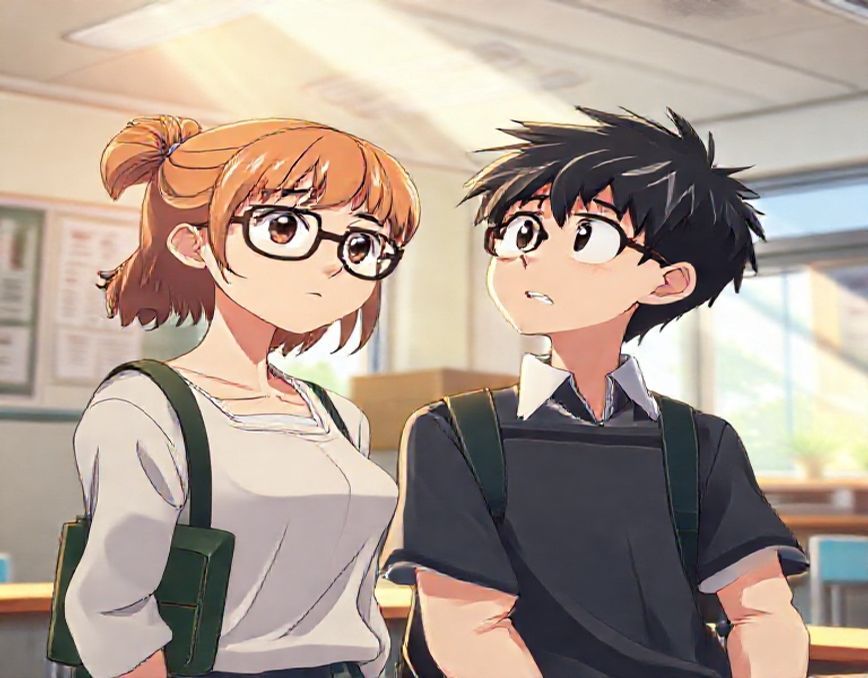
The Ultimate 'I Know Already!' Comeback: Mastering 「言われなくてもわかってる」
The Ultimate 'I Know Already!' Comeback: Mastering 「言われなくてもわかってる」
Hello to all you warriors who have lived and worked in Japan long enough to know that Japanese isn't just about 「はい、わかりました。」 (Yes, I understand.)
Today, we're going to dissect a phrase that I'm 99% sure you've either heard or, at the very least, wanted to scream internally. It's that moment when someone—be it your spouse, parent, or a slightly over-helpful senpai—reminds you of something incredibly obvious. 🤦♀️
- It's pouring rain, you're already holding an umbrella, and your mom calls to ask: 「傘持ったの?」 (Did you take an umbrella?).
- A deadline is looming, you're laser-focused on your work, and your boss walks by to say: 「A君、これ明日までだからね」 (Mr. A, just a reminder this is due tomorrow).
- You're cooking and seasoning, and your partner peers over your shoulder to say: 「塩、入れすぎないようにね」 (Be careful not to add too much salt).
In these moments, one phrase surges through your veins. That phrase is 「言われなくてもわかってる!」 (Iwarenakutemo wakatteru!) - "I know, you don't have to tell me!"
🧐 Decoding the Comeback Weapon
Let's break down this powerful phrase:
- 言われる (Iwareru): The passive form of 言う (to say) → "to be told."
- なくても (nakutemo): The negative form of 〜ても → "even without...", "even if not...".
- わかってる (wakatteru): The casual, emphatic form of わかっています (I know/understand).
Put it all together, and you get: "Even without being told, I already know." 🧠
It sounds simple, but its nuance is a world away from 「はい、知っています。」 (Yes, I know that). While 「はい、知っています」 is a neutral confirmation of information, 「言われなくてもわかってる」 is a declaration of emotion. It implicitly carries:
- Slight Annoyance 😠: "I'm not an idiot, stop reminding me!"
- An Assertion of Competence 💪: "I'm in control of the situation, I don't need to be micromanaged."
- Resistance to Being Patronized 👶: "Don't treat me like a child."
It walks the fine line between self-defense and insolence. Because of this, using it requires a great deal of finesse.
🎭 When to Use It, and When It'll Backfire
This is the most critical part. Use it wrong, and you might seriously damage a relationship.
✅ SAFE Zone (Go for it):
These are close relationships where a little bluntness won't cause a rift.
-
With Family (parents, siblings): This is the phrase's natural habitat.
- Mom: 「部屋、片付けなさいよ!」 (Clean your room!)
- You: 「わかってるよ、言われなくても!」 (I know, you don't have to tell me!)
-
With a Spouse or Partner: When the reminder has become a 'greatest hits' record.
- Wife: 「また靴下脱ぎっぱなし!」 (You left your socks on the floor again!)
- Husband: 「あー、わかってるって。言われなくても後でやるから」 (Argh, I know. I was going to do it later without you telling me.)
-
With Very Close Friends:
- Best Friend: 「お前、飲み過ぎんなよ」 (Hey, don't drink too much.)
- You: 「言われなくてもわかってるわ!」 (I know that already, don't worry!)
⚠️ RISKY Zone (Think twice):
- With Colleagues at the Same Level (同期 - Douki): It's usable, but you should soften it with particles like 「〜よ」 or 「〜って」 and use a playful tone. If said with a serious face, you might come off as prickly.
- Colleague: 「〇〇さん、この資料の件、忘れないでね。」 (Mr./Ms. OO, don't forget about this document.)
- You (with a slight smile): 「大丈夫だよ〜。言われなくてもわかってるって!」 (It's all good. I know, you didn't have to tell me!)
🚫 DANGER Zone (Only use if you want to quit):
- With Superiors, Bosses, or Clients: This is career suicide in a Japanese workplace. 💀 No matter how obvious your boss's statement is, the safest reply is always 「はい、承知いたしました。」 (Yes, I understand completely) or 「はい、認識しております。」 (Yes, I am aware of it).
Internally, you might be screaming 「そんなこと言われなくてもわかっとるわい!」 (I know that without you having to tell me, damn it!), but externally, you must smile and nod. Welcome to the art of Honne and Tatemae!
✨ Conclusion: More Than Just a Phrase
「言われなくてもわかってる」 is not just a phrase to react to a reminder. It's an assertion of maturity and a desire to be trusted. It highlights the boundary between caring and controlling (also known as 口うるさい - kuchiurusai - nagging or being a nag).
When you hear a Japanese person use this phrase, you know the speaker is feeling a bit pressured and is seeking autonomy. And when you become close enough with someone to be able to say it yourself, you've truly entered a familiar relationship, leaving much of the formal politeness behind.
So next time you're about to remind someone of something, pause for a second. Chances are, they already know, without you having to tell them 😉.
Thẻ liên quan:
Lan tỏa kiến thức
Chia sẻ những điều hay ho với bạn bè