
Decoding「いじる」: The Japanese Art of 'Affectionate Teasing'
Decoding「いじる」: The Japanese Art of 'Affectionate Teasing'
Hello everyone. For warriors like me who have lived and battled in Japan for over a decade, you've likely found yourself in this situation: You're sitting with a group of Japanese friends, and suddenly, everyone starts 'poking fun' at you about your new hairstyle, your pronunciation of a certain word, or one of your 'quirky' habits. You might feel a bit confused, wondering, "Wait, am I being disliked?" 😨
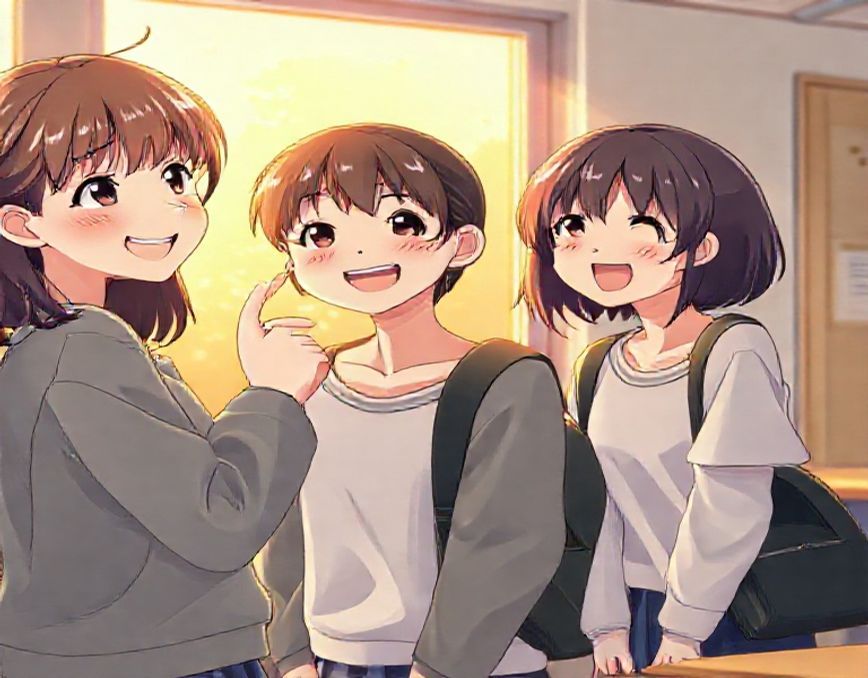
But no, if you look closely, everyone is laughing cheerfully. This is the moment you've entered the world of 「いじる」 (ijiru) – the subtle Japanese art of 'affectionate teasing'.
This is an extremely common, crucial concept that is rarely taught in textbooks. It's the fine line between intimacy and bullying. Understanding it will give you a deeper insight into social relationships here. Let's break it down!
🧐 What is「いじる」? Two Sides of the Same Coin
The dictionary will give you two main meanings for「いじる」:
- To tinker with, fiddle with, or play with an object: Usually an action without a clear purpose, simply being fidgety.
スマホをいじる(sumaho wo ijiru): To fiddle with/scroll through your phone.髪の毛をいじる(kaminoke wo ijiru): To twirl a lock of hair.
- To tease or poke fun at someone: This is the focus of today's article. But it's not as simple as the English word 'teasing'. It carries a much more complex nuance.
The core of「いじる」in communication is that it's built on a foundation of trust and closeness. You only 'ijiru' people who you know for sure won't get angry and whose relationship is strong enough to withstand such banter.
💥 The Deadly Boundary: いじる vs. からかう vs. いじめる
This is the most critical part. Many foreigners confuse these three concepts, and this confusion can lead to disastrous consequences.
| Word | Essence | Feeling of the Teased Person | Purpose | Outcome |
|---|---|---|---|---|
| いじる | ❤️ Affectionate Tease | Feels happy, not hurt | Create a fun atmosphere, show closeness | Stronger relationship |
| からかう | 짓 Making Fun Of | Can be slightly annoyed | One-sided fun, amusement | Can cause awkwardness |
| いじめる | 💀 Bullying | Hurt, pained | To inflict suffering on others | Destroys the relationship |
To put it simply:
- いじる (Ijiru): Both sides are laughing. The person being teased (いじられる側) also finds it amusing and considers it part of the conversation. Example: "Tanaka-san, wearing pink again? You're so stylish!" (when everyone knows Tanaka likes pink and says it in a fun tone).
- からかう (Karakau): Only the teaser is laughing. The teased person might not enjoy it. It's more one-sided. Example: Making fun of a child for being afraid of ghosts.
- いじめる (Ijimeru): The teased person cries. This is intentional bullying, targeting someone's weakness to hurt them. This is a red line you NEVER cross.
🎭 The Portrait of the "Teasable Character": いじられキャラ
In Japanese groups of friends, companies, or on TV shows, there is always a character known as the 「いじられキャラ」 (ijirare-kyara) – the person who is the designated target of the group's 'ijiru'.
It might sound pitiful, but this is often a very beloved role. This person typically has the following traits:
- Good reactions (リアクションがいい): They respond to teasing in a funny, charming way.
- Kind-hearted and generous: They don't hold grudges over teasing.
- Creates a good atmosphere: Their presence makes the group more cheerful and open.
A person who is considered an「いじられキャラ」is evidence that they are trusted and loved by everyone. 'Ijiru'-ing them is a way for the group to express affection. If you find yourself being affectionately 'ijiru'-ed by people, be happy, because it means you've truly become part of the group! 🎉
💬 How to React When You're Being "Ijiru"-ed?
So, what should you do when a Japanese person 'ijiru's you?
- Laugh and play along: This is the safest and most expected reaction. For example, if you're teased about your new haircut, you can laugh and say, 「ちょっと失敗しちゃって〜」(Chotto shippai shichatte~ - "I kinda messed it up~").
- A witty comeback (うまい返し - umai kaeshi): This is the next level. You retort with a clever, humorous comment of your own.
- A: 「その服、派手だね!」(Those clothes are flashy!)
- B: 「〇〇さんこそ、今日寝癖がすごいですよ!」(You're one to talk, your bedhead is amazing today!)
- Absolutely do not go silent or get angry: If you do this, the teaser will feel awkward. They will think they've crossed a line and hurt you. The atmosphere will immediately become tense. 🥶
✅ Conclusion: "Affectionate Teasing" is a Spice of Friendship
「いじる」 is a high-level communication skill that requires deep understanding and an excellent ability to 'read the air' (空気を読む). It is not a negative behavior, but a way for Japanese people to show closeness and break down rigid social barriers.
When you can comfortably 'ijiru' someone and be 'ijiru'-ed in return, it's a sign that you are no longer an 'outsider' (ヨソ者), but have truly become a part of the group. That is a proud milestone on the journey of conquering Japanese culture and language. ✨
Next time a Japanese friend teases you, don't panic. Just smile and enjoy that feeling of belonging.
Thẻ liên quan:
Lan tỏa kiến thức
Chia sẻ những điều hay ho với bạn bè