
Decoding 「一肌脱ぐ」: The Ultimate 'All-Out' Move to Earn Trust in Japan
Decoding 「一肌脱ぐ」: When Helping Goes Beyond Just Words 👘
If you've lived in Japan long enough, you'll realize that this society operates on an incredibly complex system of "debts of gratitude." There are casual forms of help (like giving directions or lending a pen), but there's also the kind of help that can completely change the course of someone’s career or life. That is exactly when the phrase 「一肌脱ぐ」 (Hitohada nugu) comes into play.
In this post, we aren't learning textbook Japanese. We’re dissecting the "spirit" behind this phrase so you can use it as a sharp diplomatic weapon. 🚀
1. The Origin: From Samurai Action to Corporate Strategy
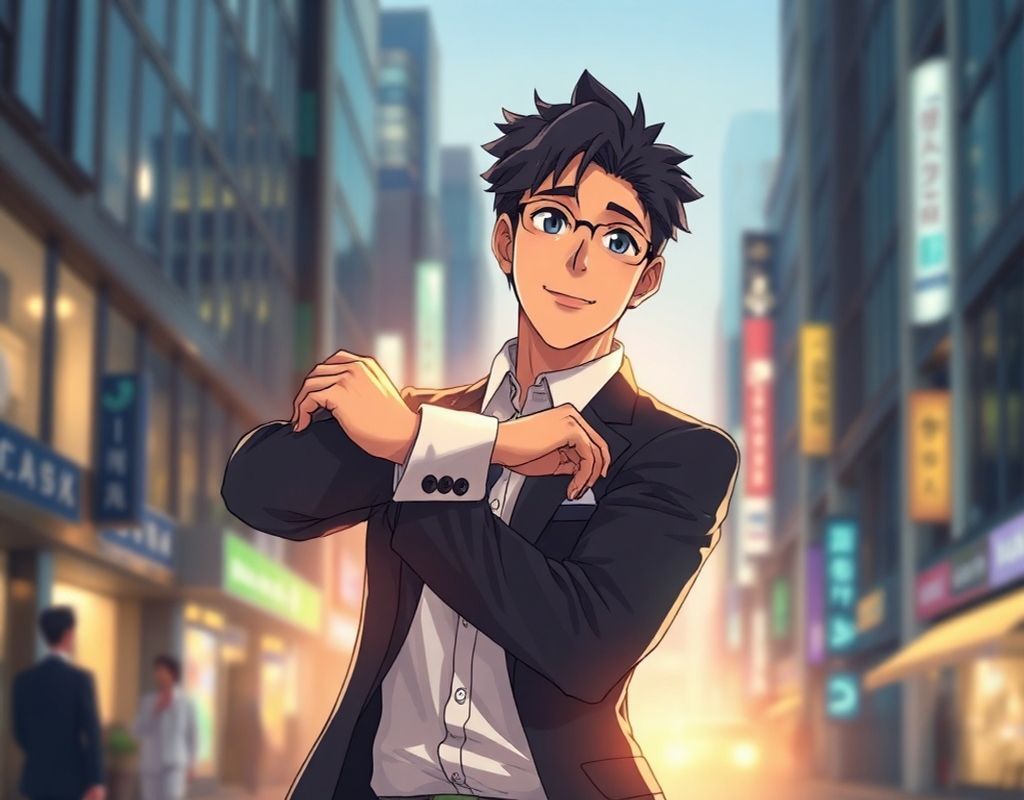
Literally, 「一肌脱ぐ」 means "to strip off one layer of skin (clothing)." Picture the image of ancient laborers or samurai: when they were about to start a grueling task or a life-or-death battle, they would tuck in or remove their outer kimono sleeve to free up their arms for better movement.
In modern Japanese, this phrase is used to describe: Giving one's all, regardless of personal hardship or loss, to help someone else solve a problem.
It’s not your average 「手伝う」(Tetsudau - to lend a hand). When you say you will Hitohada nugu, you are sending a powerful message: "I am stepping up, I will use my reputation, my strength, and even sacrifice my own interests to take care of this for you."
2. Why Does This Phrase Carry So Much Weight? 💎
In Japan, the fear of "bothering others" (Meiwaku) is a massive barrier. Therefore, when someone proactively offers to 「一肌脱ぐ」, they are breaking their own safety protocols to step into someone else’s danger zone.
- Showing Chivalry (Otokogi): This is a term Japanese people love to describe someone with high integrity and honor. A boss who steps up to take the blame for a subordinate's mistake in front of a client to save that employee's job is Hitohada nugu.
- Building 'On' (Obligation): Once you receive help at this level, you officially carry a massive debt of gratitude. In Japanese culture, this bond is stronger than any legal contract.
3. Real-Life Scenarios You’ll Encounter 🎭
Scenario A: At Work (The Veteran’s Endorsement)
You are struggling to convince another department to cooperate. You approach a senior colleague with a lot of influence:
"I know this isn't your responsibility, but if you could 一肌脱いで (Hitohada nuide) and put in a word for me, they will definitely agree."
If that person nods, it means they are putting their own "face" on the line to guarantee for you. This is the highest level of professional support.
Scenario B: In Business Partnerships (Breaking a Stagnation)
When a project is on the verge of collapsing due to lack of funds, an old investor appears and says:
"I see you're working so hard. Fine, let me 一肌脱ごう (Hitohada nugou)."
At this point, they aren't just giving money; they are directly intervening to save the situation with every resource they have.
4. How to Use It to Score "Max Points" ✍️
Don't use this phrase for trivial matters. If you help a colleague photocopy documents and say Hitohada nugu, they’ll think you’ve lost your mind. Use it when:
- The problem is truly serious: The other person is backed into a corner.
- You are in a higher position: You use your power or experience to solve it for them.
- You want to show commitment: You’re signaling that you won't just do the bare minimum; you're in it until the end.
Pro Tip: Instead of saying 「助けます」(I will help), try using 「私が一肌脱ぎましょう」(Let me go all out to help you). This phrase sounds like someone with "life experience"—confident, authoritative, and deeply reliable.
5. Pitfalls to Avoid: Don't 'Strip' in the Wrong Place! ⚠️
When you say you will 一肌脱ぐ, the other person’s expectations will skyrocket. If you only provide mediocre help, you’ll be labeled as someone who is "all talk and no action."
Conversely, if someone offers to help you in this way, be prepared to repay them significantly in the future. In Japan, there is no such thing as a free lunch, and no "all-out" effort comes without an expectation of future loyalty.
Conclusion
Real Japanese isn't found in N1 or N2 grammar books; it's found in understanding the "temperature" of the words. 「一肌脱ぐ」 is a high-temperature phrase. It represents the warmth of kindness, but also the heat of responsibility and reputation.
If you want to move beyond being just an "expat who knows Japanese" and become a "foreigner who understands the Japanese heart," learn to observe the moments when someone is quietly stripping off their layers to protect you. And when the chance arises, don't hesitate to Hitohada nugu for those who deserve it. It is the fastest way to secure an unshakeable position in the Land of the Rising Sun. 🇯🇵
Thẻ liên quan:
Lan tỏa kiến thức
Chia sẻ những điều hay ho với bạn bè